
Bone Grafting in the Upper East Side, NYC
Rebuilding what gum disease or tooth loss took — so we have something solid to build on.
Why Bone Grafting Matters
• Performed in-house by a periodontally trained dentist
• Rebuilds bone lost to gum disease or extraction
• Often required before implant placement
• Foundation-first approach for long-term results
When a tooth is lost or gum disease goes untreated, the bone underneath doesn’t just stay put — it shrinks. Without a tooth root or implant to stimulate it, the jaw gradually loses density and volume. Over time, that bone loss can affect the teeth around it, change the shape of your face, and limit your options for future treatment.
Bone grafting rebuilds what’s been lost. It creates a stable, dense foundation that can support an implant, stabilize surrounding teeth, or simply preserve the bone you have before more is lost.
When Bone Grafting Is Needed
The most common reasons we recommend bone grafting are after a tooth extraction (to preserve the socket for a future implant), before implant placement (when there isn’t enough bone to support one), and after periodontal disease has caused bone loss around existing teeth.
Not every case requires grafting — but when it does, skipping it is how implants fail and restorations don’t hold. We’ve seen patients come in after having implants placed elsewhere without proper bone preparation. The implant was placed into an environment that couldn’t support it, and it failed. We’d rather take the extra time to get the foundation right than rush to a result that won’t last.
What to Expect
The procedure involves placing bone graft material into the area where bone has been lost. This material acts as a scaffold — your body gradually replaces it with your own natural bone over several months. We numb the area completely, and most patients find the procedure much less involved than they expected.
Healing takes time — typically three to six months depending on the site and the extent of the graft. We monitor your progress and don’t move forward with implant placement or other treatment until the bone is ready. That patience is what separates a graft that works from one that doesn’t.
Done by a Periodontist — Not a Referral
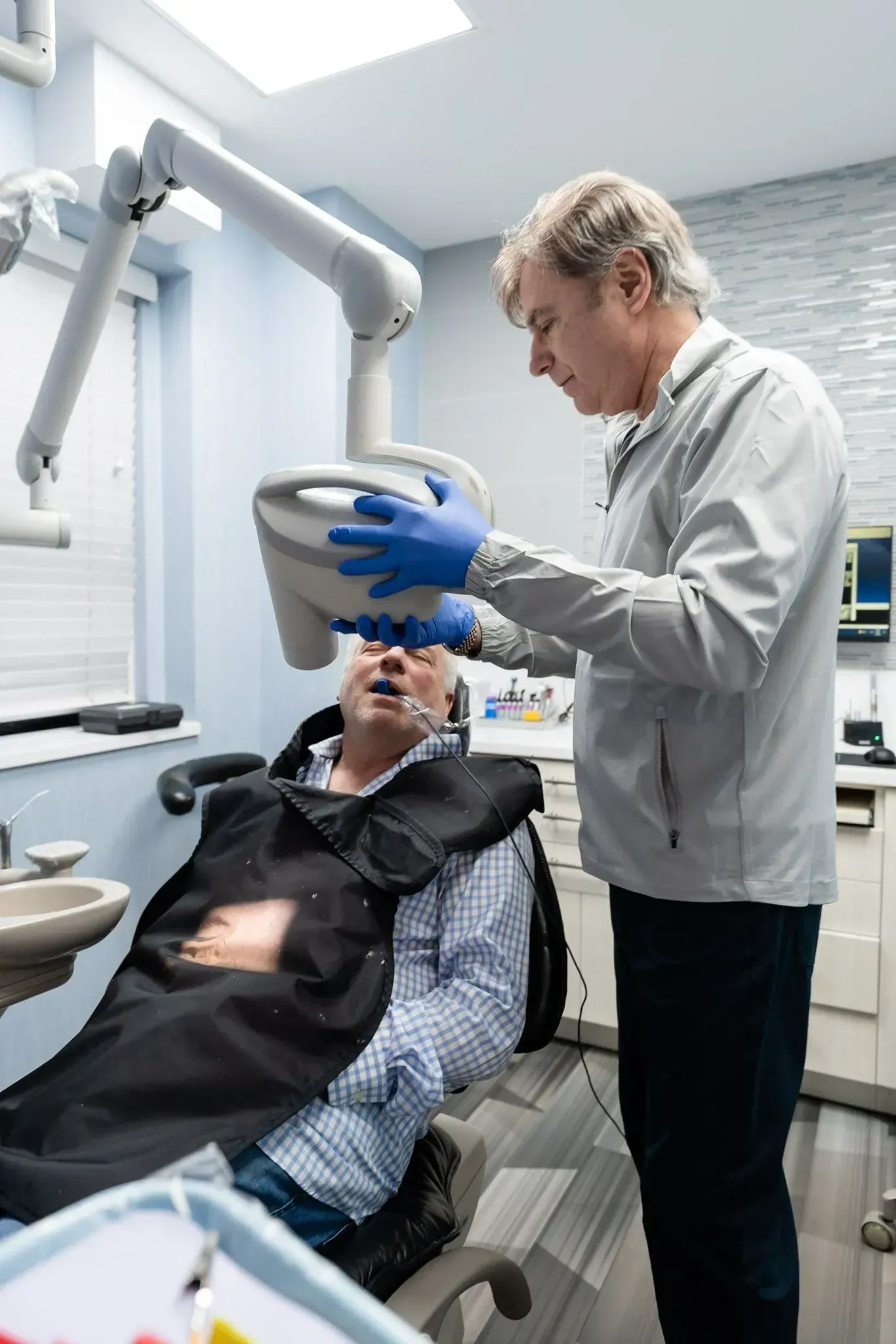
Bone grafting is a surgical procedure that involves working directly with the tissue and bone that Dr. Daniel specializes in. His periodontal training means he understands how bone heals, how much graft material is needed, and how to create the conditions for your body to do its best work. This isn’t something we send you across town for — it happens here, with a doctor who’s been managing your care from the start.
#1 Rated Dentist
- Placed and restored in-house by Dr. Daniel
- Periodontal training for precise bone and tissue work
- Foundation prepared before placement — always
- Single teeth, bridges, and full-arch solutions
Frequently Asked Questions
Does bone grafting hurt?
The area is numbed completely before we start, and most patients are surprised by how manageable it is. You’ll have some soreness and swelling afterward, but it typically resolves within a few days. We give you clear aftercare instructions and are available by phone if anything concerns you.How long does it take to heal?
Three to six months, depending on the size and location of the graft. Your body needs time to replace the graft material with natural bone. We monitor the healing process and don’t move to the next step — whether that’s an implant or another procedure — until the foundation is solid.Do I definitely need bone grafting before an implant?
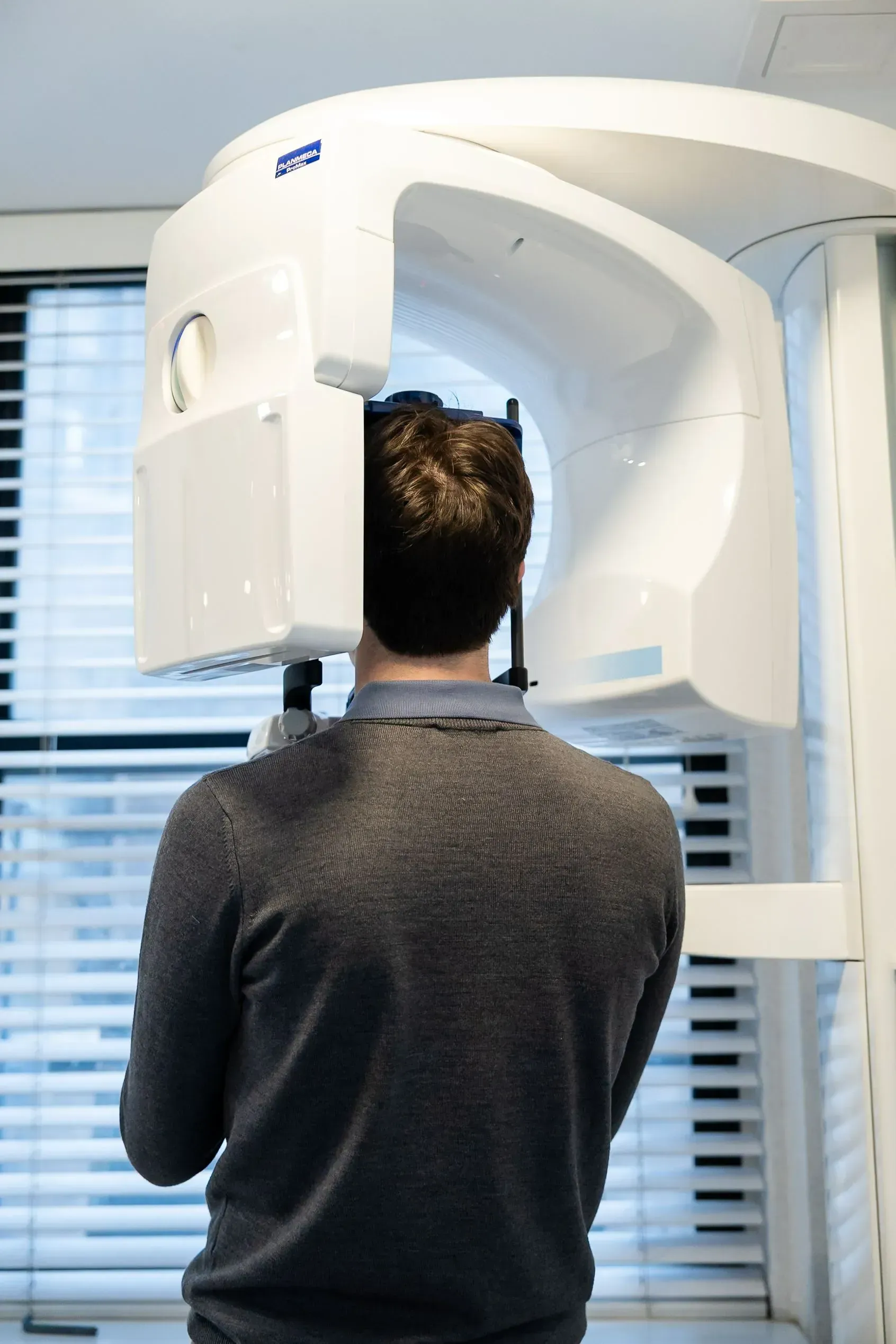
Not always. It depends on the density and volume of bone at the implant site. We evaluate this with imaging during your consultation and give you an honest answer. If grafting is needed, we explain why. If it’s not, we don’t recommend it.
Thoughtful Dentistry, Explained
We believe informed patients make confident decisions. Our journal offers thoughtful guidance on prevention, treatment, and the principles behind long-term oral health.