Cosmetic Dental Bonding: A Same-Day Fix for Chips and Gaps
A chipped front tooth or a small gap between your teeth can make you think twice before smiling — and for many of our Upper East Side patients, it's those small imperfections that bother them the most. Cosmetic dental bonding is one of the simplest, most affordable ways to correct them, often in a single visit. In this guide, Dr. Bradley Wank explains what bonding is, what it can and can't fix, how long it lasts, and exactly what to expect in the chair.
What Is Cosmetic Dental Bonding?
Cosmetic dental bonding is a procedure in which a tooth-colored resin (the same durable material used for white fillings) is applied to a tooth, shaped, and hardened with a curing light so it blends seamlessly with your natural smile. Because the resin is sculpted directly onto the tooth, most bonding is completed in one appointment with no lab work required.
It's one of the least invasive cosmetic treatments in dentistry. In most cases little to no enamel is removed, and anesthesia often isn't needed unless bonding is being used to repair decay. That makes it a comfortable, conservative first step for patients who want a noticeable improvement without committing to more extensive work.
What Can Dental Bonding Fix?
Bonding is remarkably versatile for minor cosmetic concerns. It's commonly used to:
- Repair a chipped or cracked tooth
- Close small gaps between front teeth
- Cover stains or discoloration that don't respond to whitening
- Reshape a tooth that looks short, uneven, or worn
- Protect a tooth root exposed by receding gums
Where bonding isn't the right tool is for a full smile makeover, heavily worn bites, or teeth under significant biting force — those cases are usually better served by veneers or crowns. Part of a good consultation is being honest about which option actually serves you, and we'll always tell you when a simpler fix will do the job.
How Long Does Dental Bonding Last?
With good care, cosmetic bonding typically lasts 4 to 8 years before it needs a touch-up or replacement. The resin isn't quite as strong as natural enamel or porcelain, so its lifespan depends heavily on habits and location in the mouth.
You can protect your bonding by avoiding biting on hard objects (ice, pens, fingernails), not using your teeth to open packaging, limiting staining foods and drinks like coffee and red wine, and keeping up with regular cleanings. If you grind your teeth at night, a custom night guard can meaningfully extend how long your bonding lasts.
Bonding vs. Veneers: Which Is Right for You?
Factor
Time
Cost
Lifespan
Enamel removed
Stain resistance
Custom Night Guard
Usually one visit
$300–$600 per tooth
Little to none
Moderate
Drugstore "Boil-and-Bite"
Two or more visits
$1,200–$2,500+ per tooth
10–15+ years
A thin layer
High
Bonding is the faster, more affordable, more conservative option; veneers are the longer-lasting, more stain-resistant investment. Many patients start with bonding and consider veneers later — and because bonding removes little or no enamel, keeping your options open is easy.
What to Expect at Your Appointment
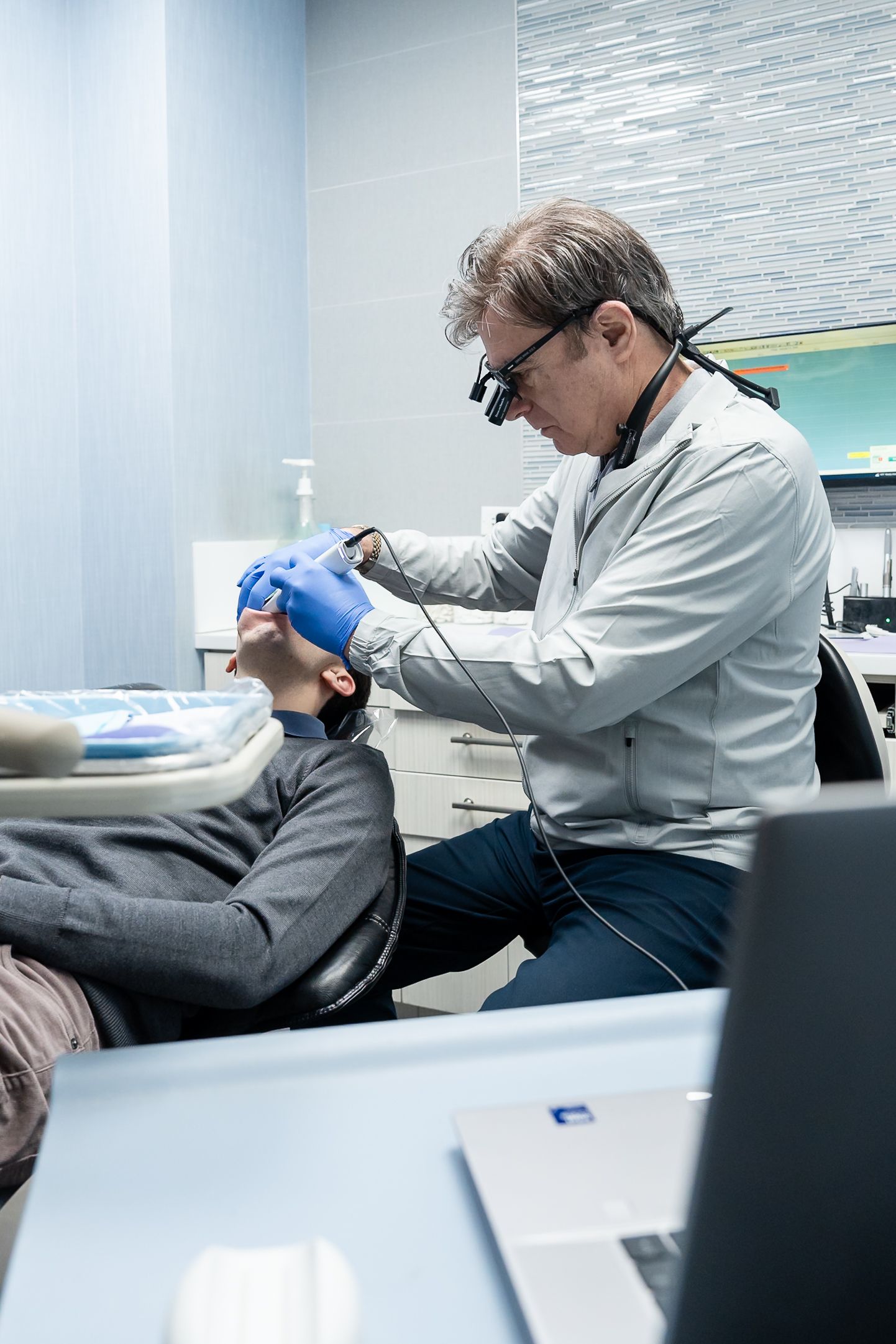
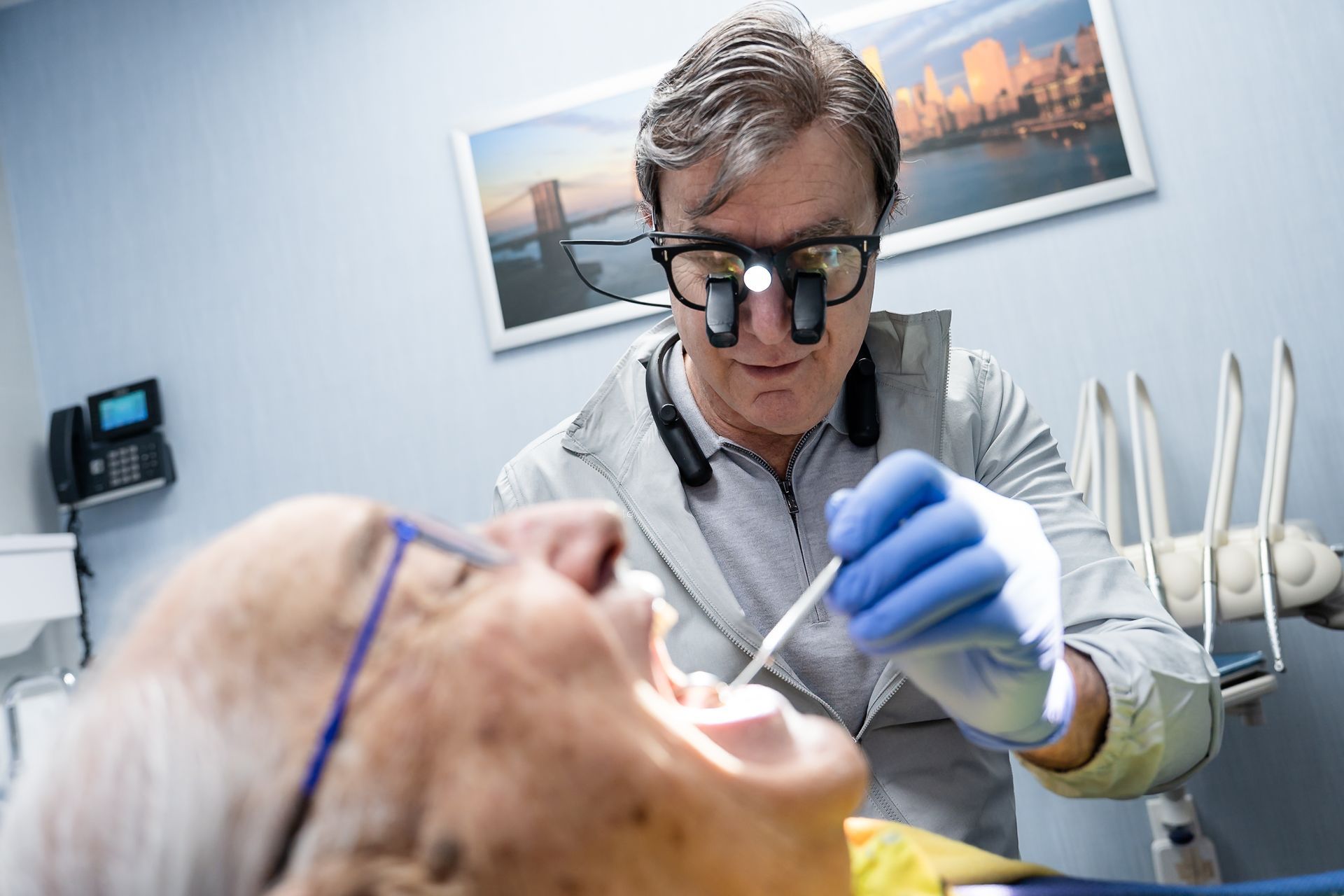
Bonding is straightforward and comfortable. Dr. Wank will match a resin shade to your surrounding teeth, lightly prepare the surface so the material adheres, then apply and sculpt the resin directly on the tooth. A curing light hardens it in seconds, and a final polish blends the edges so the repair is invisible. Most single-tooth bonding takes 30 to 60 minutes, and you can eat and smile normally the same day.
When to See a Dentist
If a chip, gap, or stain is making you self-conscious — or you've cracked a tooth and want it repaired before it worsens — a short consultation is the best next step. We'll look at the tooth, talk through whether bonding, whitening, or a veneer makes the most sense for your goals, and give you a clear plan. You can review our full range of dental services or, if you're ready, learn what to expect as a new patient.
Frequently Asked Questions
Is dental bonding painful?
No. Most bonding requires no anesthesia because little or no enamel is removed. You may feel slight pressure while the tooth is prepared, but the procedure is generally painless and comfortable from start to finish.
How much does dental bonding cost?
Cosmetic bonding typically costs $300 to $600 per tooth, though the exact price depends on the size and location of the repair. During your consultation we'll give you a firm estimate and review any insurance or financing that may apply.
Can bonding be whitened later?
No. Bonding resin does not respond to whitening treatments the way natural enamel does. If you're planning to whiten your teeth, it's best to do so first, then match the bonding to your brighter shade.
Does insurance cover dental bonding?
Insurance usually covers bonding when it's used to repair a chip, crack, or decay, but not when it's purely cosmetic. Our team can review your
insurance and payment options and explain your coverage before treatment.
Ready to Fix That Chip or Gap?
Cosmetic bonding is a fast, conservative way to feel confident about your smile again. To book a consultation with Dr. Bradley Wank on the Upper East Side, call (212) 867-0345 or contact our office. We're located at 115 East 61st Street, Floor 6, New York, NY 10065, and we're welcoming new patients now.
Medically reviewed by Dr. Bradley Wank, DDS, Daniel Wank DDS. Reviewed: August 3, 2026.
Sources: American Dental Association (MouthHealthy.org); Academy of General Dentistry (AGD.org).
Recent Posts